

Table of Contents
- How to Find Perfect Underwear Fit: Start With Accurate Measurements
- Using a Men's Underwear Size Chart Effectively
- How Should Boxer Briefs Fit: The Complete Breakdown
- Signs Underwear Is Too Tight: What to Watch For
- Best Fabric for Men's Underwear: How Material Affects Fit
- Testing Fit While Moving: The Real-World Check
- Common Fit Mistakes to Avoid
- Frequently Asked Questions
Last Updated: October 11, 2026
How to Find Perfect Underwear Fit: Start With Accurate Measurements
Most men wear the wrong size because they skip measurement and guess based on pants size. This leads to bunching, digging, and riding up by midday.
Accurate waist and hip measurements determine proper fit: waistband comfort, leg opening fit, and adequate support.
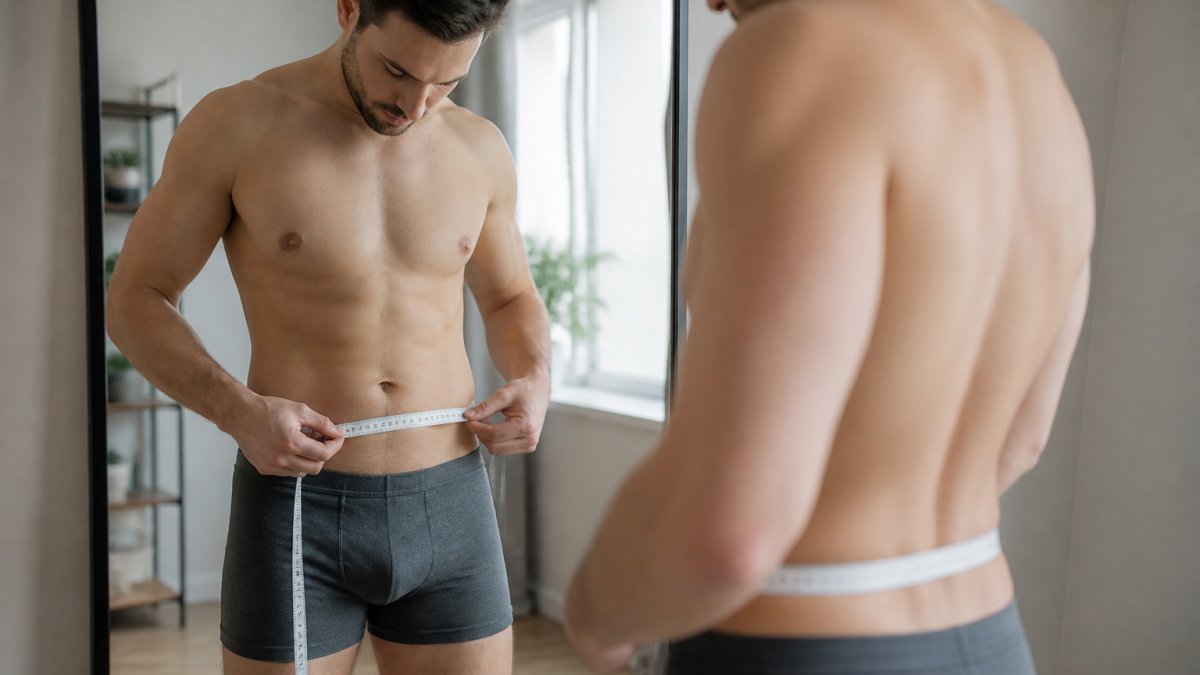
Measuring Your Waist Correctly
Your waist measurement is your body's narrowest point between ribs and hips, not where your pants sit.
Here's how to measure correctly:
- Remove your shirt and stand in front of a mirror with your feet shoulder-width apart
- Locate your natural waist by finding the narrowest point between your ribs and hip bones
- Wrap a soft measuring tape around your waist at this point, keeping it parallel to the ground
- Keep the tape snug but not tight, you should be able to slide one finger under it comfortably
- Read the measurement at the point where the tape overlaps
- Measure twice to confirm accuracy, and record the number in inches
Common mistakes: wrapping the tape too tight (giving a false small number) or measuring at your pants waist instead of your narrowest point (giving a number that's too large).
Measuring Your Hip Circumference
Hip measurement determines leg opening fit and prevents underwear from being too loose or tight through the thighs and seat.
Follow these steps:
- Stand in the same position as your waist measurement, feet shoulder-width apart
- Find the fullest part of your hips and buttocks, usually 7-9 inches below your waist
- Wrap the measuring tape around this fullest point, keeping it level and parallel to the ground
- Keep tension consistent with your waist measurement, snug but not tight
- Record the number where the tape overlaps
- Measure a second time to verify
Your hip measurement is typically 8-12 inches larger than your waist. If not, you may be measuring at the wrong point.
Accounting for Body Variation
If your waist and hip measurements suggest different sizes, choose based on hip measurement first, a snug waistband is more comfortable than tight leg openings. If between sizes, prioritize leg opening fit. Trust your measurements, not assumptions.
Using a Men's Underwear Size Chart Effectively
Size charts show waist and hip ranges for each size. If your measurements fall between ranges or suggest different sizes, choose based on hip measurement.
Here's what a typical chart looks like:
| Size | Waist Range | Hip Range | Best For |
|---|---|---|---|
| Small | 28-30" | 36-38" | Slim builds, athletic frames |
| Medium | 31-33" | 39-41" | Average builds |
| Large | 34-36" | 42-44" | Larger frames, athletic builds |
| XL | 37-39" | 45-47" | Full figures, wider frames |
If your waist is 32 inches and hips are 40 inches, you're between Small and Medium on waist but solidly Medium on hips, choose Medium.
Reading Size Conversions Across Brands
Sizing varies by brand due to differences in fabric stretch, cut, and pouch design. When trying a new brand, check their size chart against your measurements rather than assuming the same size will work.
Helux Gear's Red Microfiber Trunks account for anatomical pouch design and stretch fabric, engineered to hold shape while providing natural support.

Choosing Between Sizes When You're Between
If between sizes, choose the larger size if your hips are significantly larger than your waist or you have an athletic build. Choose smaller if measurements are close and you prefer a snug fit. When in doubt, choose based on hip measurement, a loose waistband is manageable; tight leg openings are not.
How Should Boxer Briefs Fit: The Complete Breakdown
Boxer briefs offer thigh coverage and support, but fit varies by cut, fabric, and pouch design. A proper fit feels supportive without restricting movement, bending, or sitting.
Waistband and Rise Fit
The waistband should sit at your natural waist. Too tight causes marks, digging, and restriction; too loose causes rolling and shifting. Most men prefer a mid-rise that balances coverage and comfort.
Leg Opening and Thigh Coverage
A proper leg opening sits snugly against your thigh without digging or leaving marks. If you have larger thighs or an athletic build, size up even if waist measurement suggests smaller, leg opening fit is critical.
Pouch Support and Natural Shape
A well-designed pouch provides gentle support, enhances natural shape, and keeps everything in place during movement. Helux Gear's anatomically correct pouch delivers comfort and flattering fit without bulk. Your size should match your body, not force your body into a size.
Signs Underwear Is Too Tight: What to Watch For
Tight underwear causes discomfort, visible marks, and reduced blood flow. These signs indicate your size is too tight.
Discomfort Signals During the Day
Discomfort developing throughout the day indicates a borderline-too-small size. Common signals: constant waistband awareness, pinching, restriction, or chafing. Underwear should feel unnoticeable after the first few minutes.
Visible Bulging and Waistband Marks
Visible marks or indentations from the waistband that last longer than 15-30 minutes indicate the waistband is too snug. Visible bulging under clothes also signals too-tight fit.
Best Fabric for Men's Underwear: How Material Affects Fit
Fabric choice affects how underwear fits and performs. Different materials have different stretch, recovery, and moisture-wicking properties. Understanding these differences helps you choose fabric that works for your lifestyle and body.
Cotton and Cotton-Blend Performance
Cotton is breathable and soft, making it comfortable for everyday wear. However, pure cotton has limited stretch and doesn't recover quickly after washing. Cotton-blend fabrics, usually cotton mixed with spandex, offer better stretch and durability.
Cotton blends typically contain 5-10% spandex. This small amount of stretch makes a significant difference in fit. The spandex helps the fabric recover after washing and provides gentle support without restricting movement.
The BIKE Athletic BAS327 Stretch Cotton Briefs we carry use a 95% cotton, 5% spandex blend. This composition provides breathability with enough stretch for comfortable all-day wear. Cotton blends work well for men who prioritize breathability and traditional feel.

Synthetic Microfiber and Moisture Management
Microfiber, a synthetic material finer than silk, offers superior moisture-wicking compared to cotton. It dries faster, resists odor, and feels smooth against skin.
Microfiber typically contains 15-20% spandex or elastane for stretch and recovery. This higher spandex content means microfiber underwear provides more support and holds its shape better through repeated washing and wearing.
Helux Gear's Red Microfiber Trunks use 92% TENCEL Lyocell (a sustainable microfiber) and 8% spandex. This blend delivers moisture-wicking performance with eco-friendly materials. The higher spandex content provides the support needed for active men and those who wear form-fitting clothing.
Stretch and Recovery: Why Spandex Matters
Spandex (also called elastane) is what makes underwear stretch and return to its original shape. Without spandex, fabric stretches out and stays stretched. With spandex, the fabric bounces back.
Higher spandex content means:
- Better shape retention through the day
- Longer lifespan before the fabric loses elasticity
- More support and gentle compression
- Better fit consistency across multiple washes
The trade-off is that higher spandex content can reduce breathability slightly. For everyday wear, 5-8% spandex is sufficient. For athletic wear or all-day support, 8-15% spandex provides noticeably better performance.
Testing Fit While Moving: The Real-World Check
Measurements and charts tell you if a size is theoretically correct. Real-world fit testing tells you if it actually works for your body and lifestyle.
Fit changes when you move. Underwear that feels fine standing still might ride up when you sit, dig in when you bend, or shift around when you walk. Testing fit through actual movement is the only way to know if a size truly works.
Sitting, Bending, and Daily Activity Tests
After putting on new underwear, spend time moving in it:
- Sit in a chair for 5-10 minutes. Does the waistband dig? Does the pouch feel supportive? Does anything shift or bunch?
- Bend forward and touch your toes. Does the waistband stay in place? Do the leg openings dig in?
- Walk around your home for 15-20 minutes. Does anything ride up? Do you feel constant adjustment needed?
- Do light stretching or exercise. Does the underwear provide adequate support? Does anything shift during movement?
These tests reveal fit issues that standing still won't. Many men discover that underwear fits fine when stationary but rides up or digs in during normal activity.
Assessing Support Through a Full Day
The real test is wearing the underwear through your actual day. Pay attention to:
- Comfort progression: Does comfort stay consistent, or does discomfort develop as the day goes on?
- Support consistency: Does the pouch maintain support through sitting, standing, and activity?
- Waistband stability: Does the waistband stay in place, or does it roll or shift?
- Chafing or irritation: Do you notice any rubbing or chafing, especially in areas where you move most?
If you experience any issues during a full day of normal activity, the size isn't right. You might need to size up (if things are too tight) or reconsider the style (if the cut isn't working for your body).
Common Fit Mistakes to Avoid
Most men make the same fit mistakes repeatedly. Knowing what to avoid saves you time, money, and frustration.
Mistake 1: Choosing size based on pants waist Your pants waist is not your actual waist. Pants are designed to sit lower on your body.
Mistake 2: Ignoring hip measurement Hip measurement determines leg opening fit. Choosing based on waist alone leads to underwear that's either too loose or digs in through the thighs.
Mistake 3: Assuming you know your size Many men wear the same size for years without ever measuring. Bodies change. Fit preferences change.
Mistake 4: Not accounting for fabric stretch Different fabrics stretch differently. Microfiber with high spandex content stretches more than cotton blends.
Mistake 5: Choosing based on appearance rather than comfort Underwear that looks good but feels uncomfortable isn't worth wearing. Comfort should always be the priority.
Mistake 6: Not testing fit through actual movement Standing still in new underwear doesn't tell you how it will perform during your day.
Finding your perfect underwear fit isn't complicated once you follow the right process.
At Helux Gear, we've engineered our boxer briefs with anatomical support and motion-friendly stretch fabric to deliver the fit and performance active men deserve.
Frequently Asked Questions
How should men's underwear fit?
Men's underwear should fit snugly without digging in or restricting movement. The waistband sits at your natural waist without rolling or gapping, the leg openings sit mid-thigh without riding up or binding, and the pouch provides support while maintaining a natural silhouette. Fabric should feel smooth against skin with no pinching, bunching, or visible bulging through outer clothes. Test fit by sitting, bending, and walking to ensure comfort throughout the day.
How do I use a men's underwear size chart correctly?
Measure your waist at your natural waist level and your hips at the fullest part of your buttocks using a soft measuring tape. Compare both measurements to the size chart, as some charts require both dimensions. If you fall between sizes, choose based on your primary concern: go up for comfort and movement, down for a snug fit. Check brand-specific charts, as sizing varies across manufacturers, what fits in one brand may not fit the same in another.
What's the best fabric for men's underwear?
The best fabric depends on your lifestyle. Cotton and cotton-blend underwear (like 95% cotton with 5% spandex) offer breathability and comfort for everyday wear, though they may retain moisture during intense activity. Microfiber synthetics with moisture-wicking properties work better for active men and workouts, keeping skin dry and reducing odor. Spandex or elastane in any blend (typically 5-19%) provides stretch and recovery, maintaining shape through movement and multiple washes. Premium options combine these qualities, like microfiber with high spandex content for both moisture management and lasting support.
How do I know if my underwear is too tight?
Underwear that's too tight causes visible marks on your skin after removal, restricts movement, digs into the waistband or leg openings, or creates visible bulging and bunching under clothes. You may feel pinching during sitting or bending, and the fabric won't recover its shape quickly after stretching. If you experience chafing, discomfort that worsens throughout the day, or waistband rolling, your size is too small. Consider sizing up or choosing a style with more rise or leg length to distribute fit more comfortably.
0 comments