

Table of Contents
- What Breathable Fabric Means for Active Men
- Best Moisture-Wicking Underwear for Men: Comparing Top Fibers
- Breathable Underwear for Men: What to Look For
- Best Fabric for Working Out: Activity-Specific Recommendations
- Breathable Mesh Fabric: Construction and Performance
- Odor Control and Repeated Wear
- How to Choose the Right Breathable Fabric for Your Needs
- Common Mistakes When Selecting Breathable Fabrics
- Frequently Asked Questions
Last Updated: October 9, 2026
What Breathable Fabric Means for Active Men
Breathable fabric for active men is the engineered balance between airflow, moisture management, and support that keeps you performing at your best.
Your body generates heat and sweat during activity, and a truly breathable fabric moves that moisture away while letting air circulate. But breathability alone isn't enough: how the fabric is woven, blended, and seamed matters more than fiber type alone.
How airflow and moisture management work together
Air permeability and moisture wicking are separate functions that work in tandem. Air permeability measures how freely air passes through the weave; moisture wicking pulls sweat away from your skin and spreads it for faster evaporation.
A mesh with large openings creates airflow but may not wick moisture; a dense synthetic blend wicks well but restricts ventilation.
Why fabric construction matters more than fiber type alone
Many buyers assume fiber type determines breathability, but a poorly constructed polyester mesh can outperform tightly woven cotton because the weave allows superior airflow, while a well-engineered cotton blend with mesh panels beats a loose polyester weave with no moisture management.
Construction variables include thread count, weave pattern, panel placement, and seam type. Reinforced seams prevent tearing without sacrificing breathability, and mesh inserts in high-heat zones (underarms, groin, back) target where your body generates the most heat.
Best Moisture-Wicking Underwear for Men: Comparing Top Fibers
Each fiber category brings distinct trade-offs. Understanding them helps you match material to your activity and climate.
Polyester mesh: lightweight and fast-drying
Polyester mesh dominates performance underwear because it wicks moisture and dries faster than any natural fiber. Manufacturers engineer the fiber to pull moisture from skin, while mesh construction maximizes airflow.
Polyester resists degradation from sweat and chlorine, maintains shape through repeated washing, and doesn't absorb odors like natural fibers.
The BIKE Athletic BAM135 Sleeveless Practice Jersey demonstrates this principle with its 100% polyester mesh construction, providing maximum ventilation for intense workouts while maintaining a lightweight profile that won't weigh you down during movement.

Cotton: absorbent but slower to dry
Cotton lets air pass through easily but absorbs rather than wicks moisture. When you sweat, it holds moisture against your skin, feeling heavy and drying slowly compared to synthetics.
Cotton underwear becomes saturated during intense workouts and takes hours to dry, making it inadequate for sustained exercise. It also retains odors, requiring frequent washing.
Merino wool: temperature regulation without bulk
Merino wool regulates temperature more effectively than any other fiber: it wicks moisture like synthetics while insulating when damp, making it exceptional for variable-temperature activities with shifts between effort and rest.
The catch is weight and cost: merino garments are thicker and pricier than polyester.
Linen and bamboo: natural lightweight options
Linen is naturally breathable with excellent air permeability, but like cotton it absorbs rather than wicks moisture. It dries faster than cotton and resists odor better, but wrinkles easily and lacks the stretch active men need.
Bamboo fabric (viscose from bamboo) wicks moisture closer to synthetics while feeling natural and soft, though it dries slower than polyester.
Breathable Underwear for Men: What to Look For
Finding underwear that performs requires evaluating construction details, not just material names.
Mesh construction and open-weave patterns
Open-weave mesh is the foundation of true breathability. Look for visible gaps: you should see light through quality mesh when held up.
Strategic mesh placement matters as much as overall construction. The best breathable underwear places mesh in high-heat zones (back panel, underarm areas, sometimes the front pouch), with solid fabric elsewhere for support and coverage.
Elastic waistbands that don't restrict airflow
A tight waistband defeats breathable fabric by creating a compression zone that traps heat.
Some premium options use flat, woven elastic instead of rolled elastic, distributing pressure across a wider surface area and reducing compression. Avoid waistbands with heavy branding or thick stitching that create irritation points.
Fit that prevents chafing during movement
Breathability fails if the garment creates friction. The pouch should support without compressing, and leg openings should be wide enough that fabric doesn't bunch or ride up.
Seam placement is critical: seams should run along the sides and back, never across high-friction areas. Flat-lock seams eliminate the ridge that causes chafing, and leg openings should stretch with your body rather than cut into your thigh.
| Fit Element | What to Look For | Why It Matters |
|---|---|---|
| Pouch design | Anatomical support without compression | Prevents restriction and discomfort during movement |
| Leg opening | Wide, elastic-backed, non-cutting | Eliminates chafing and bunching during activity |
| Seam placement | Sides and back, never across friction zones | Reduces irritation during extended wear |
| Waistband | Wide, flat elastic, snug but not tight | Prevents heat trapping and slipping |
Best Fabric for Working Out: Activity-Specific Recommendations
Different activities create different demands. Matching fabric to your workout yields better comfort and performance.
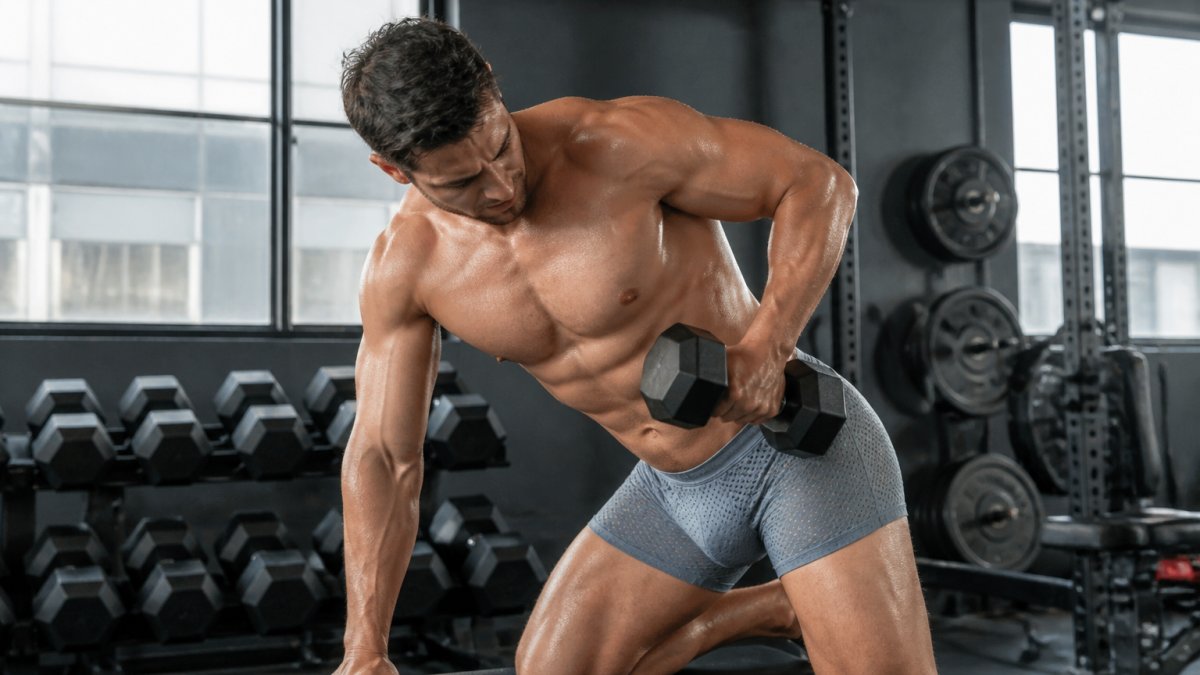
High-intensity cardio and team sports
High-intensity activities generate maximum sweat and heat, demanding superior wicking and rapid drying.
For team sports like basketball, soccer, or football, fit is critical alongside breathability: a pouch that stays in place during lateral movement and jumping, plus leg openings that don't ride up.
Gym sessions and strength training
Strength training generates sustained heat in a controlled environment with less movement variety. Breathability remains essential, but you have more flexibility: polyester mesh still excels, and quality cotton-synthetic blends work if they include mesh construction.
Fit matters differently in the gym: under compression shorts or gym pants, underwear must stay smooth without bulk. A simplified pouch and flat seams prevent visible lines.
Outdoor and warm-weather activities
Outdoor heat demands breathability that prioritizes air circulation, so mesh is essential for maximum ventilation. In direct sun, lighter colors reflect heat better than dark fabrics.
For durability outdoors, polyester mesh handles UV exposure and repeated washing better than cotton or bamboo, making synthetic blends more practical than natural fibers that degrade faster in sun.
BIKE Athletic Men's activewear BAM135 Sleeveless Practice Jersey - Performance →
Breathable Mesh Fabric: Construction and Performance
Mesh construction separates truly breathable underwear from standard options. Understanding how it works helps you evaluate products beyond marketing claims.
How mesh weave affects air permeability
Mesh is created by weaving threads in an open pattern with visible gaps.
The best mesh balances these needs: gaps large enough for ventilation but small enough to avoid transparency.
Thread material also matters: polyester mesh threads wick moisture more effectively than cotton threads, which is why polyester mesh outperforms cotton mesh even with identical weave patterns.
Mesh blends and reinforced seams for durability
Pure mesh throughout a garment creates durability problems: weak seams, easy tearing, and lost shape after washing. Quality breathable underwear uses mesh strategically, combining it with solid fabric where structure is needed.
Reinforced seams are critical in mesh garments: because mesh has less structural integrity, seams need extra stitching or flat-lock construction to prevent unraveling. The BIKE Athletic BAM134 Short Sleeve Practice Jersey in Color Bright Red features reinforced construction.

Blended construction uses solid fabric at the waistband, leg openings, and pouch while reserving mesh for large back and side panels, delivering breathability where you generate the most heat and support where stress concentrates.
Odor Control and Repeated Wear
Polyester resists odor because it doesn't absorb moisture, and odor-causing bacteria thrive in damp environments.
Some premium fabrics use antimicrobial treatments, but the most effective odor control is fast-drying fabric that doesn't retain moisture.
For multi-day trips or outdoor activities, prioritize synthetic blends that dry quickly and resist odor.
How to Choose the Right Breathable Fabric for Your Needs
Selecting breathable fabric means matching material properties to your actual use case, not generic recommendations.
Step 1: Identify your primary activity and climate
Your main activity determines breathability requirements. High-intensity cardio in hot weather demands maximum wicking and rapid drying, making polyester mesh the clear choice.
Climate matters equally: hot, humid conditions require quick-drying fabrics that don't trap moisture, while cool climates where temperature regulation matters suggest merino or blends.
Step 2: Prioritize moisture management or temperature control
Decide which function matters more. Moisture management (wicking sweat and drying quickly) is the priority for high-intensity activities and hot climates, where polyester mesh excels. Temperature control (stable body temperature through varying conditions) matters more for outdoor activities with temperature swings, where merino specializes.
Step 3: Test for fit and comfort before committing
Breathability means nothing if fit causes chafing. Before buying multiple pairs, test one through your primary activity and evaluate: does it stay in place, create friction points, or feel supportive without restricting movement?
Pay attention to how it feels after washing: some fabrics shift or lose elasticity.
Common Mistakes When Selecting Breathable Fabrics
The first mistake is assuming fiber type determines breathability.
The second mistake is confusing absorbency with breathability. Cotton soaks up moisture, which feels cooling initially but then stays wet and heavy.
The third mistake is ignoring fit in favor of material.
The fourth mistake is buying purely on price.
Finding the right breathable fabric for active use comes down to matching construction and materials to your activity and climate. At Helux Gear, we've engineered our boxer briefs with motion-friendly stretch fabrics and mesh construction specifically for active men who need support that doesn't compromise breathability.

Frequently Asked Questions
What is the most breathable fabric for athletic wear?
Polyester mesh and nylon blends are the most breathable fabrics for athletic wear because they have open-weave construction that allows maximum airflow. Merino wool also breathes exceptionally well while regulating temperature. The key is weave tightness and fiber type: looser weaves and synthetic fibers dry faster than dense natural fibers like cotton. For active men, mesh construction typically outperforms solid fabrics because air passes directly through the material rather than just across its surface.
What should men look for in breathable underwear for workouts?
Look for mesh or open-weave construction, moisture-wicking fiber content (polyester or merino blend), and a contoured fit that prevents chafing. The waistband should be elastic without digging in, and seams should be flat or reinforced to avoid irritation during movement. Semi-sheer or transparent mesh fabrics like those in the Xtremen Microfiber Mesh Boxer Briefs allow superior ventilation. For best moisture-wicking underwear for men, prioritize quick-drying synthetic blends over 100% cotton, which absorbs sweat but dries slowly.
How do moisture-wicking fabrics keep you dry during exercise?
Moisture-wicking fabrics pull sweat away from skin to the fabric surface where it evaporates faster. Synthetic fibers like polyester and nylon don't absorb moisture the way cotton does; instead, they shed it. The fiber structure creates pathways for water vapor to escape, and the loose weave of mesh allows air circulation that speeds evaporation. Merino wool wicks moisture while also regulating temperature, making it effective in varied conditions. The combination of fiber type and construction determines how quickly breathable fabric for active men removes sweat.
Is merino wool or polyester better for activewear?
Both excel in different conditions. Polyester mesh is lighter, faster-drying, and better for high-intensity activity in warm weather. Merino wool regulates temperature better across a wider range of conditions, resists odor naturally, and feels softer against skin. For pure breathability and quick drying, polyester wins. For temperature control and comfort during variable-intensity workouts, merino wool performs better. Active men in hot climates or doing intense cardio typically prefer polyester; those in cooler weather or doing mixed-intensity training often choose merino wool.
What fabric is best for people who sweat a lot?
Polyester mesh and nylon blends are best because they shed moisture instead of absorbing it, keeping you dry longer. Merino wool is also excellent because it wicks moisture while controlling odor, allowing repeated wear without washing. Avoid 100% cotton, which absorbs sweat and stays damp. For men who sweat heavily during workouts, a 90% polyester / 10% elastane blend like the Xtremen Microfiber Mesh Boxer Briefs provides breathable underwear for men that handles moisture load without feeling soggy or developing odor quickly.
What is the coolest breathable fabric?
Lightweight mesh polyester and linen are the coolest fabrics because they combine low weight with maximum air permeability. Linen is naturally cool but slower-drying; polyester mesh dries faster and stays cooler longer during activity. Merino wool, despite being wool, feels cool because it regulates temperature and wicks moisture efficiently. The BIKE Athletic mesh tank tops use 100% polyester mesh construction specifically for maximum cooling. For active men in hot climates, prioritize open-weave mesh over dense or heavy fabrics, regardless of fiber type.
How does fabric construction affect breathability more than fiber type?
A tightly woven cotton fabric breathes poorly despite being a natural fiber, while a loose polyester mesh breathes exceptionally well. Weave tightness, fiber diameter, and gap size between threads determine air permeability far more than the fiber itself. Open-mesh construction creates direct airflow channels; tight knits or dense weaves block air. Reinforced seams and elastic placement also affect ventilation. For breathable fabric for active men, construction matters as much as material: a well-constructed mesh activewear piece outperforms a poorly constructed natural-fiber garment.
What's the difference between breathable mesh fabric and regular fabric?
Breathable mesh fabric has intentional gaps between threads that allow air to pass through the material itself, not just around it. Regular solid fabric relies on surface airflow and fiber wicking. Mesh construction dramatically increases air permeability and evaporation speed. The BIKE Athletic BAM135 Sleeveless Practice Jersey uses open-mesh construction throughout for optimal airflow, whereas a standard cotton shirt would trap heat and moisture. For active men, mesh provides superior heat dissipation and faster moisture evaporation during intense activity.
0 comments