


Table of Contents
- Why Standard Underwear Fails at Thigh Chafing Prevention
- What to Look For in Thigh Chafing Underwear
- Quick Comparison: Top Picks for Chafing Relief
- Helux Gear: Ergonomic Design Meets Friction Control
- Why Moisture-Wicking Underwear for Men Matters
- How to Stop Thigh Chafing With the Right Fit
- Which Anti-Chafing Underwear Should You Pick?
- Conclusion
- Frequently Asked Questions
Last Updated: September 7, 2026
Thigh chafing is one of the most persistent comfort problems for active men, yet most standard underwear simply isn't engineered to solve it. The best underwear for preventing thigh chafing combines a longer inseam, moisture-wicking fabric, and an ergonomic cut that stays put during movement. At Helux Gear, we've spent years refining men's underwear around these exact principles, and this guide breaks down what actually works, what to avoid, and how to choose the right pair for your body and activity level.
Why Standard Underwear Fails at Thigh Chafing Prevention
Standard cotton briefs and short-leg trunks are the primary culprits behind chafing because they don't cover the area where friction occurs. When your thighs rub together during walking, running, or cycling, the skin-to-skin contact creates heat and moisture that quickly leads to irritation. Cotton makes this worse by absorbing sweat and holding it against the skin, which breaks down the skin barrier and increases friction (peer-reviewed research).
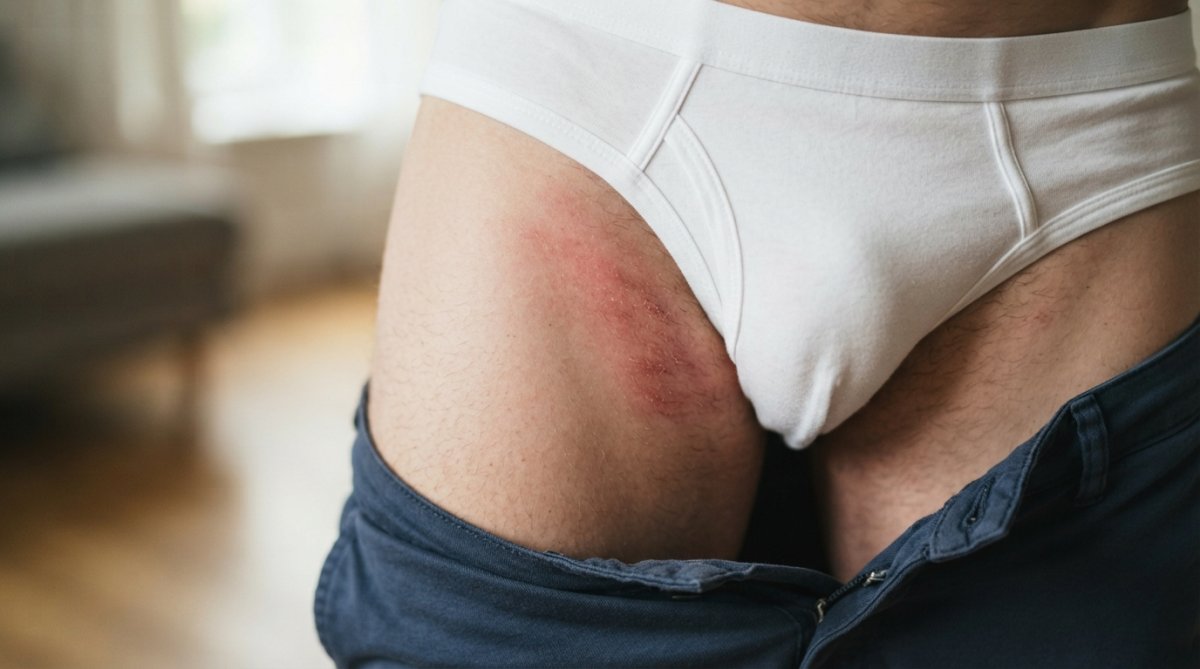
The problem is structural, not just about fabric. Most traditional underwear has a short inseam that ends right at the top of the thigh, leaving the inner leg exposed and vulnerable. As you move, the fabric bunches and rides up, creating additional friction points rather than eliminating them.
What to Look For in Thigh Chafing Underwear
The most effective anti-chafing underwear shares several non-negotiable design features that work together to eliminate friction. Four-way stretch fabric with a compression fit keeps everything in place, while seamless construction removes the edges that dig into skin. A longer inseam creates a physical barrier between your thighs, and moisture-wicking properties pull sweat away from the skin.
Breathable fabric is equally critical for regulating temperature and preventing the damp conditions that accelerate chafing. Look for synthetic blends like nylon-spandex rather than pure cotton, as these materials maintain their structure through movement and repeated washing.
Inseam Length and the Case for Long Leg Boxer Briefs for Men
Long leg boxer briefs for men are the single most effective underwear style for chafing prevention because they extend coverage down the thigh. A 6-to-9-inch inseam ensures the fabric creates a smooth barrier between your legs, eliminating the skin-to-skin contact that causes chub rub in the first place. This longer cut also prevents the underwear from riding up, which is a common complaint with shorter styles.
Quick Comparison: Top Picks for Chafing Relief
Different body types and activity levels call for different solutions, so here's a breakdown of the main categories of anti-chafing underwear and what each does best.
| Style | Best For | Key Feature | Tradeoff |
|---|---|---|---|
| Ergonomic boxer briefs | Active men, daily wear | Anatomical pouch, long inseam | Premium investment |
| Slip shorts | Skirts and dresses | Lightweight, seamless | Limited to one style |
| Cooling mesh briefs | Hot climates, athletes | Temperature regulation | Synthetic feel |
| Seamless options | Sensitive skin | Zero friction points | Niche availability |
| Long-leg briefs | Full thigh coverage | Extended inseam | May feel warm |
For men specifically, the ergonomic boxer brief category delivers the most complete package because it addresses support, coverage, and moisture management simultaneously. Other providers offer variations of these features.
Helux Gear: Ergonomic Design Meets Friction Control
Helux Gear is designed to prevent thigh chafing, and the reason comes down to how the garment is constructed rather than just what it's made of. The anatomically correct bulge pouch keeps everything securely positioned, which prevents the shifting and adjustment that creates friction throughout the day. This design also supports a natural silhouette, making it suitable under fitted dress pants and gym wear alike.
The motion-friendly stretch fabric is engineered to move with your body rather than against it, maintaining its shape through repeated wear and washing. Combined with the ergonomic support design, these boxer briefs stay anchored in place, eliminating the bunching and riding that causes irritation. For men who split their day between desk work and workouts, this consistent support is what separates a comfortable pair from one that requires constant adjustment.
Why Moisture-Wicking Underwear for Men Matters
Moisture management isn't just a comfort feature, it's the primary mechanical defense against chafing. When sweat sits on the skin, it disrupts the stratum corneum (the outermost skin layer), softening it and increasing friction between skin and fabric (PubMed).
The Fabric Science: What Actually Wicks and What Doesn't
Textile engineering distinguishes between three moisture behaviors: absorbent, wicking, and hydrophobic. Cotton is absorbent, it pulls sweat into the fiber and holds it against your skin. True wicking fabrics (typically polyester, nylon, or polypropylene) use capillary action to spread moisture across a larger area, accelerating evaporation. Hydrophobic treatments repel moisture but are rarely used in underwear because they trap sweat against the skin.
The most effective anti-chafing underwear uses a nylon-spandex blend with an engineered knit structure. Nylon provides durability and a smooth hand-feel, while spandex (typically 8-15% of the blend) delivers the four-way stretch needed to maintain contact with the skin. A flat-knit structure with open channels between yarns moves moisture more efficiently than a tight jersey knit.
The Trade-Off Most Guides Ignore: Wicking vs. Breathability
A common pattern in premium performance underwear is that high-wicking fabrics often sacrifice breathability. Dense synthetic knits that excel at capillary action can trap heat, creating a sauna effect that leads to sweat production. This is why mesh panels or targeted ventilation zones matter, they allow air circulation that evaporates moisture before it accumulates.
For high-intensity activities, look for underwear with a brushed-back waistband and open-knit mesh panels in the inner thigh region. For daily wear, a smoother, denser knit may be preferable because it provides more consistent coverage and prevents the 'clammy' sensation some men report with aggressively ventilated fabrics.
Antimicrobial Finishes: A Secondary Defense
Most premium anti-chafing underwear includes silver-ion or zinc-based antimicrobial treatments (the NIH). These don't directly prevent chafing, but they reduce the bacterial load on the skin, because bacterial enzymes can break down the skin's lipid barrier over time, making it more susceptible to friction damage. The trade-off is that antimicrobial finishes degrade with washing, most last 30-50 washes, which is why fabric quality matters more than the finish.
Why Fabric Choice Matters More for Chafing Than for General Comfort
For men who don't chafe, cotton underwear is perfectly functional. But for those prone to chafing, the fabric is the difference between a manageable day and one spent constantly adjusting. Chafing requires friction, friction increases with moisture, and moisture is controlled by the fabric's ability to move sweat away from the skin.
How to Stop Thigh Chafing With the Right Fit
Fit is the difference between underwear that prevents chafing and underwear that creates new friction points. Even the best moisture-wicking fabric fails if the garment shifts, bunches, or applies uneven pressure. Most men size underwear based on waist measurement alone, which ignores the two measurements that actually determine chafing risk: thigh circumference and rise length.
The Universal Thigh Measurement Method
To determine whether a pair of underwear will prevent chafing, measure your upper thigh at the widest point, typically 2-3 inches below the crotch seam. Stand with your feet shoulder-width apart and wrap a flexible tape measure around the fullest part of your thigh. Compare this number to the leg opening circumference of the underwear you're considering.
A properly fitted anti-chafing garment should have a leg opening that is 85-95% of your thigh circumference. Smaller than 85% creates a tourniquet effect, restricting circulation and causing new friction points at the hem. Larger than 95% means the fabric won't maintain contact with your skin, allowing it to ride up and bunch.
Rise Length: The Overlooked Variable
Rise length (the distance from the crotch seam to the waistband) directly affects thigh coverage. A short-rise garment pulls the leg openings upward, meaning even a 9-inch inseam won't stay anchored on a man with a long torso. Conversely, a long-rise garment on a short-torsoed man will create excess fabric that bunches at the crotch.
A common pattern among men who experience persistent chafing is wearing a size that's technically correct for their waist but wrong for their rise. If you have a 34-inch waist but a 6-foot-2 frame, you likely need a 'tall' or 'long' rise option even if your waist measurement suggests a medium. Most premium brands now offer rise variations within the same waist size.
The Squat-and-Stretch Test
Before committing to a pair, perform a three-part movement test:
- Deep squat: If the leg openings creep up more than half an inch, the inseam is too short or the leg opening is too loose.
- Lunge stretch: The fabric should maintain contact with your inner thigh without binding at the hip flexor.
- Seated knee-to-chest: This simulates the compression that occurs during cycling or desk work. If the waistband rolls or the leg openings shift, the garment lacks sufficient structural integrity.
The Red Mark Indicator
Red marks at the end of the day are not normal, they indicate that the garment is compressing tissue beyond its elastic recovery point. This is problematic for chafing because compressed skin has reduced blood flow, which impairs the skin's natural repair mechanisms. If you consistently see red marks at the waistband or leg openings, size up or switch to a brand with a wider, softer elastic band.
Sizing for Thigh-Heavy Body Types
Men with larger thighs (common among cyclists, runners, and those with muscular builds) often need a waist size smaller than their thigh circumference would suggest. Prioritize the thigh measurement over the waist. A slightly loose waistband is easier to manage than leg openings that cut off circulation. Look for brands that offer 'athletic' or 'muscular' cuts, which provide additional room in the thigh without increasing the waist size.
For men with a slimmer build but longer legs, standard inseams may be too short, causing the leg opening to sit at the midpoint of the inner thigh rather than extending to the lower third. Seek out brands that offer 8-9 inch inseams specifically, as these provide the extended coverage needed to prevent skin-to-skin contact.
Which Anti-Chafing Underwear Should You Pick?
The right choice depends on your primary use case. For men who want a single pair that handles daily wear, gym sessions, and everything in between, an ergonomic boxer brief with a long inseam is the most versatile option. The Helux Gear design stands out here because the anatomical pouch and central fly add functionality without compromising the smooth, friction-free profile.
For women dealing with chafing under dresses or skirts, lightweight slip shorts from brands like Thigh Society or Undersummers offer a purpose-built solution. Athletes in hot climates might prefer cooling mesh options like Jockey's performance line, while those with sensitive skin should prioritize seamless construction from brands like Chaffree. Budget-conscious shoppers can find effective barriers in multi-purpose biker shorts, though these may lack the refined fit of dedicated underwear.
Conclusion
Thigh chafing is a solvable problem, but only when you address the root causes: inadequate coverage, moisture retention, and poor fit. The best underwear for preventing thigh chafing combines a long inseam, moisture-wicking synthetic fabric, and ergonomic construction that keeps everything in place through movement. Helux Gear delivers on all three fronts for men who refuse to compromise on comfort or performance. Get started with Helux Gear and experience underwear that stays put, keeps you dry, and eliminates chafing for good.
Frequently Asked Questions
What kind of underwear should I wear to prevent thigh chafing?
Choose underwear with a longer inseam, typically 6 to 9 inches, so fabric covers the inner thigh instead of letting skin rub against skin. Look for a seamless or flat-seam construction and a synthetic blend like nylon-spandex rather than cotton. These fabrics manage moisture and maintain a smooth barrier during movement. Boxer briefs or long-leg styles are the most effective cuts for thigh chafing prevention.
Do longer inseams help prevent thigh chafing?
Yes. A longer inseam creates a physical barrier between your thighs, preventing the skin-to-skin contact that causes friction. Briefs and short boxer briefs leave the upper inner thigh exposed, which is why chafing happens there. Long leg boxer briefs for men typically offer inseams from 6 to 9 inches, ensuring the fabric stays in place and covers the area where chafing occurs during walking or running.
Why does my underwear keep chafing my inner thighs?
Chafing happens when fabric or skin rubs repeatedly against the same area, often made worse by sweat. Cotton absorbs moisture, which increases friction and breaks down the skin barrier. Seams that sit directly on the inner thigh can also irritate. Switch to moisture-wicking underwear for men made from synthetic blends with flat seams or seamless construction, and ensure the leg opening fits snugly without digging in.
Is cotton or synthetic fabric better for stopping chafing?
Synthetic fabrics like nylon, spandex, and polyester are better for chafing prevention. Cotton holds sweat against the skin, which increases friction and softens the skin barrier, making irritation more likely. Synthetic blends wick moisture away, dry quickly, and maintain a smooth surface against the thigh. Look for four-way stretch and a compression fit to keep the fabric in place during movement.
0 comments